

Ensuring worker safety during rigging operations is of paramount importance. Across North America, regulations and industry practices establish requirements for the safe use of rigging equipment. Two important considerations in determining rigging capacity are the factor of safety and the sling-angle reduction factor.
This article provides a brief overview of these considerations under Canadian and United States regulations and explains how they are incorporated into the published capacities for MTC Solutions’ rigging products.
Approximately 6-minute read.
The factor of safety is the ratio of the breaking strength of the rigging equipment to its safe working load limit (WLL). It provides a margin between the maximum permitted working load and the load at which the component is expected to fail. The WLL must not be exceeded during use.
The sling-angle reduction factor accounts for the effect of the sling angle on rigging capacity. In this article, the sling angle is measured between the sling and the surface of the element being lifted. As the angle decreases from vertical (90°), the force in the sling increases, increasing the demand on the rigging anchors and potentially reducing their available capacity. As illustrated in Figure 1, the sling angle, β, is measured between the sling and the surface of the element being lifted.
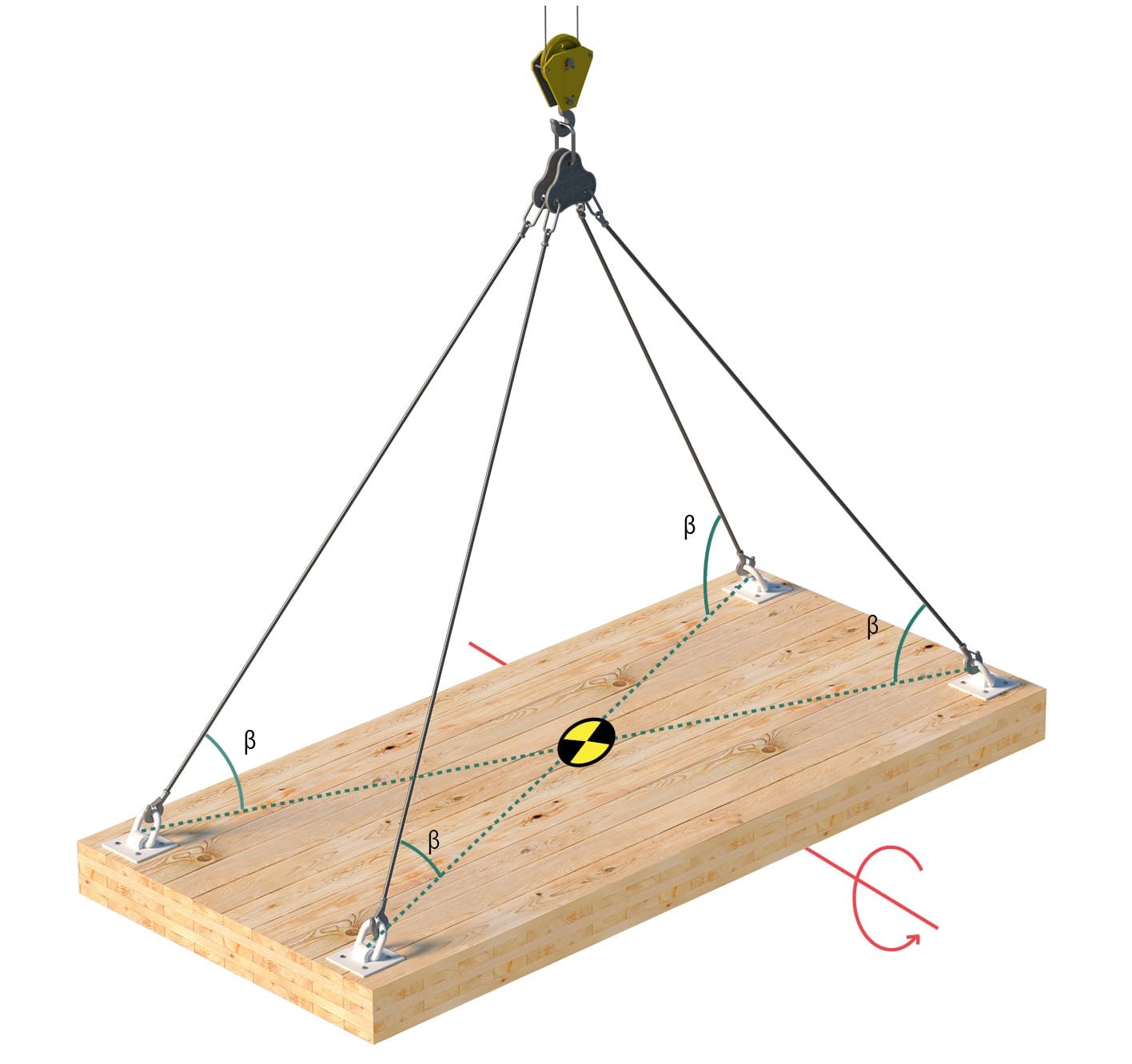
Figure 1. Sling angle, β, measured between the sling and the element surface
Canadian Regulations
In Canada, construction rigging safety is primarily regulated at the provincial level. Each province establishes the requirements governing the selection and use of rigging equipment. For example, the applicable regulations in Ontario, Quebec, British Columbia, and Alberta—the four most populous provinces—include:
For rigging anchors and attachment systems such as those addressed in this article, these regulations establish a minimum factor of safety of 5:1. They also address the effect of sling angle on the WLL in a generally consistent manner.
For example, British Columbia’s regulations require the WLL to be reduced to 90%, 70%, and 50% of its value at vertical when the sling angle, measured from the element surface, is between 60° and 90°, 45° and 60°, and 30° and 45°, respectively. Sling angles below 30° are not permitted unless they are part of an engineered lift.
United States Regulations
In the United States, the Occupational Safety and Health Administration (OSHA) establishes federal requirements for rigging operations, supplemented by applicable industry standards such as ASME B30 For rigging anchors and attachment systems such as those addressed in this article, a minimum factor of safety of 5:1 applies. Although OSHA does not prescribe sling-angle reduction factors in the same format as the British Columbia regulations, the effect of sling angle must still be accounted for when determining the forces within the rigging system.
MTC Solutions Rigging Systems
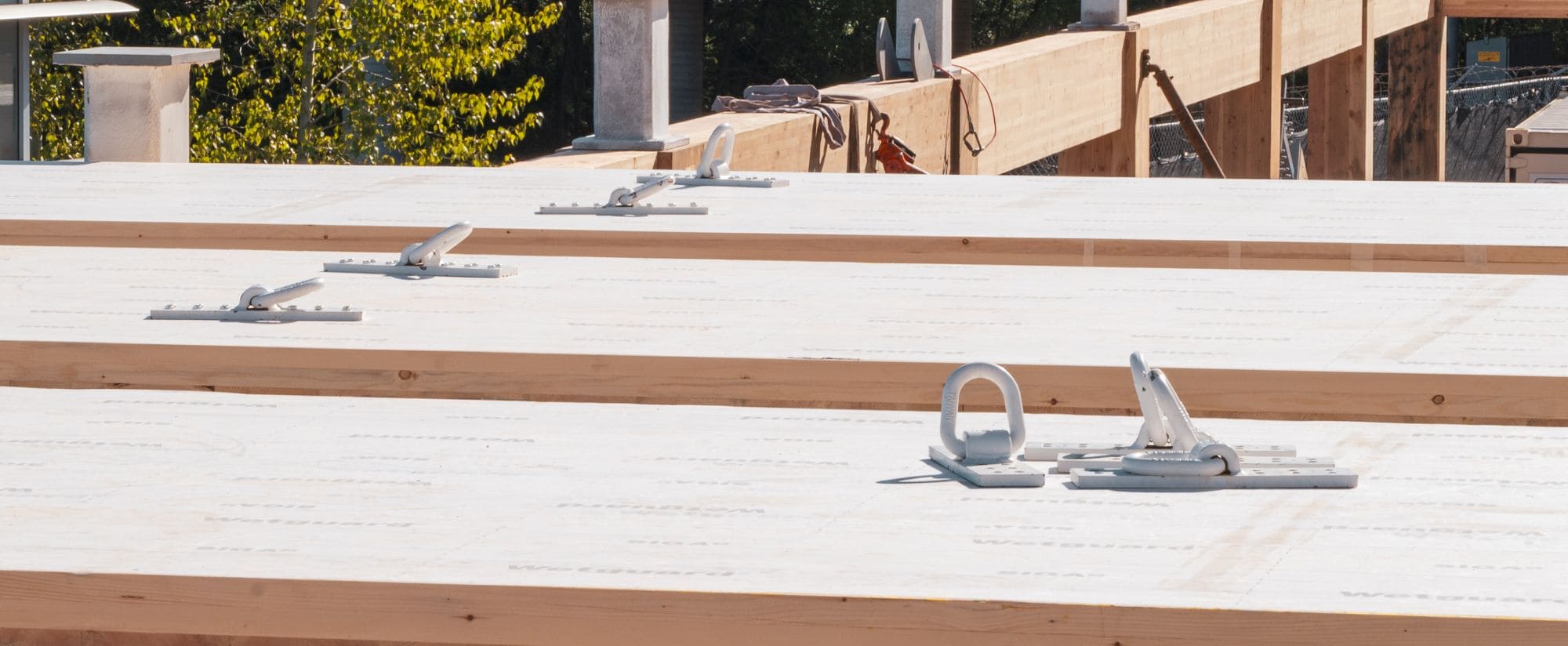
Figure 2. MTC’s YOKE XL Rigging Device being installed on CLT Panels
The reference rigging capacities published in MTC Solutions’ Rigging Design Guide are established using mechanical testing and fastener strengths detailed in ICC-ES ESR-3178 and ESR-3179. Fastener withdrawal capacities are determined using the methodology in Section 12.3 of NDS. The published capacities incorporate a factor of safety of 5:1, together with the applicable adjustment factors identified in the guide.
The published reference rigging capacities are based on a minimum sling angle of 60°, measured between the sling and the surface of the element being lifted. For sling angles below 60°, the reductions specified in the Rigging Design Guide must be applied.
💡 Before selecting a rigging anchor, confirm that its published capacity incorporates the factor of safety required for the lift. This should not be assumed, as manufacturers may use different factors of safety when establishing their capacities. If a lower factor has been used, the published capacity will need to be reduced accordingly.
When planning a lift, it is also important to check the requirements that apply in your jurisdiction and consider sling angle, load distribution, dynamic effects, and other site-specific conditions. Rigging should always be performed by qualified personnel, and MTC Solutions recommends having the rigging plan prepared or reviewed by a licensed design professional where appropriate. Together, these steps help support a safe and well-planned lift.
If you have any questions about our rigging systems or need help selecting an appropriate rigging system, contact our Technical Support Team. 😉
Register for a Technical Learning Session
Sign up for MTC Newsletter and keep up to date with all our progress.